


Unmonitored Project: Risks During Geosynthetic Cover Placement
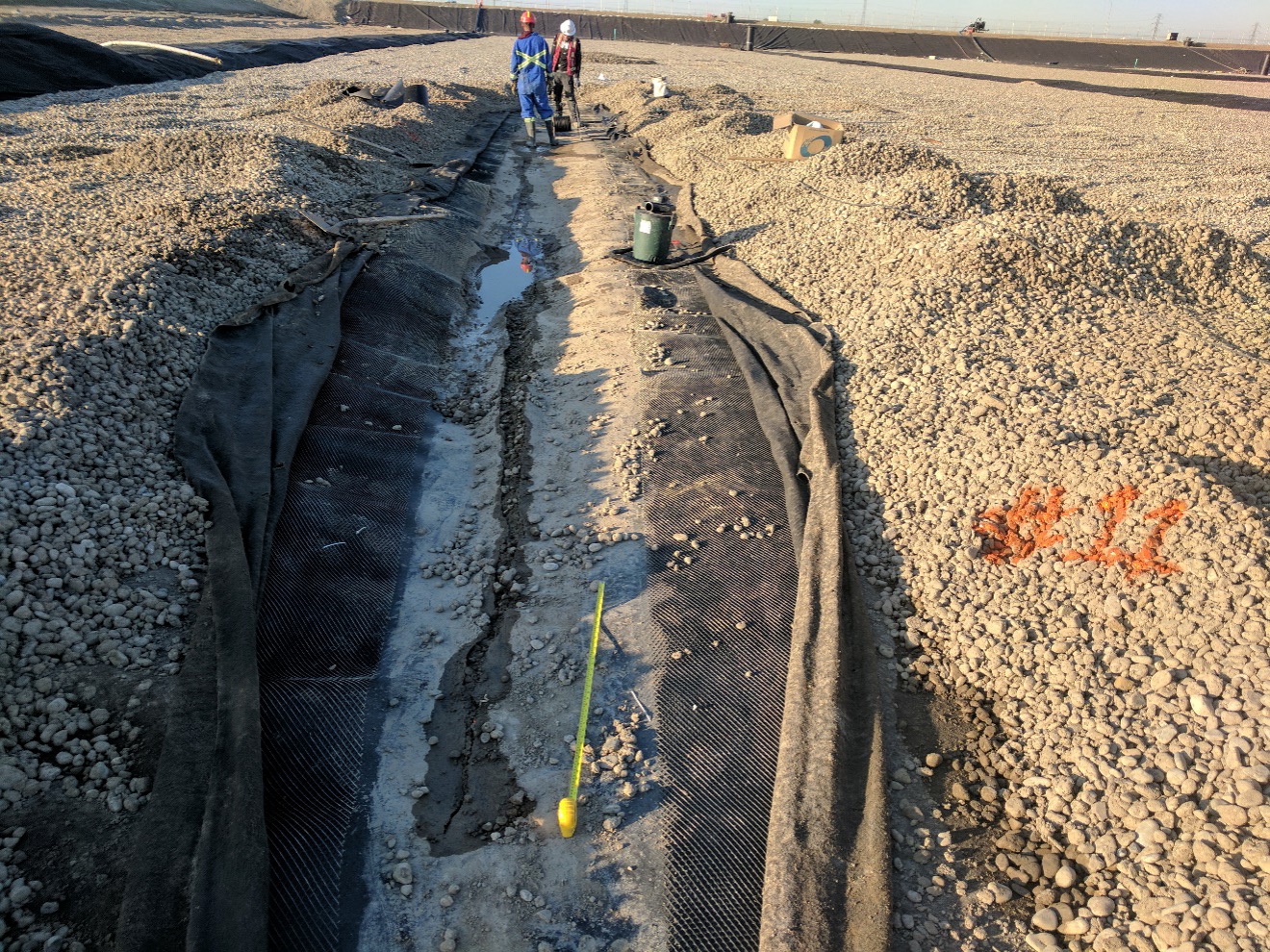
Many containment systems require a protective or drainage layer made of natural materials such as sand, gravel or drainage stone. Geosynthetic cover placement is a particularly sensitive construction phase because of the relative vulnerability of the containment materials and the power of the heavy equipment used to place the cover.
From design through installation, numerous decisions can directly affect geomembrane integrity and the final performance of the facility. Cover-material selection, protective-layer thickness, placement procedures and equipment traffic must all be adapted to the project configuration.
At this stage, the value of construction quality assurance and geomembrane leak detection is undeniable. Even with a robust design, an experienced contractor and appropriate precautions, human error and unexpected field conditions remain important risks.
Why Does Cover Placement Put the Geomembrane at Risk?
A geomembrane can be damaged when a concentrated load is applied by a stone, construction equipment or an insufficient thickness of protective material.
Damage may occur during:
- unloading of cover material;
- spreading of sand or stone;
- grading of the protective layer;
- construction equipment traffic;
- drainage-layer placement;
- compaction;
- movement of material on a slope;
- commissioning of the facility.
A protective geotextile or geocomposite can reduce certain risks, but it does not make the geomembrane invulnerable. An oversized stone, sharp edge or equipment traffic over a thin cover layer can transmit a concentrated load capable of puncturing or tearing the containment barrier.
Selecting Suitable Cover Materials
Natural materials placed above the geosynthetics must meet the project requirements for gradation, particle shape and cleanliness. Oversized or angular particles and materials contaminated with debris increase the risk of puncture.
Before use, cover materials should be checked to confirm:
- particle-size distribution;
- particle angularity;
- absence of oversized stones;
- absence of metal debris or waste;
- compatibility with the protective geotextile;
- fines content;
- behaviour during placement and compaction.
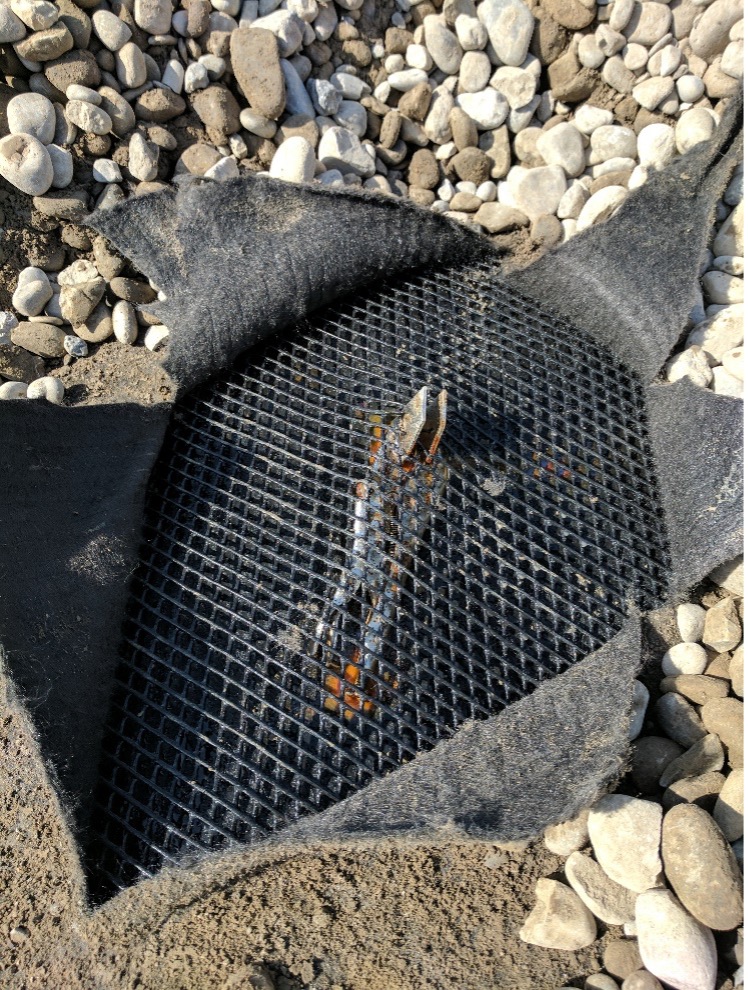
The photograph showing a large stone within the drainage aggregate illustrates the importance of this verification. A single oversized particle can create a critical pressure point when equipment travels above the protective layer.
Controlling Heavy Equipment Traffic
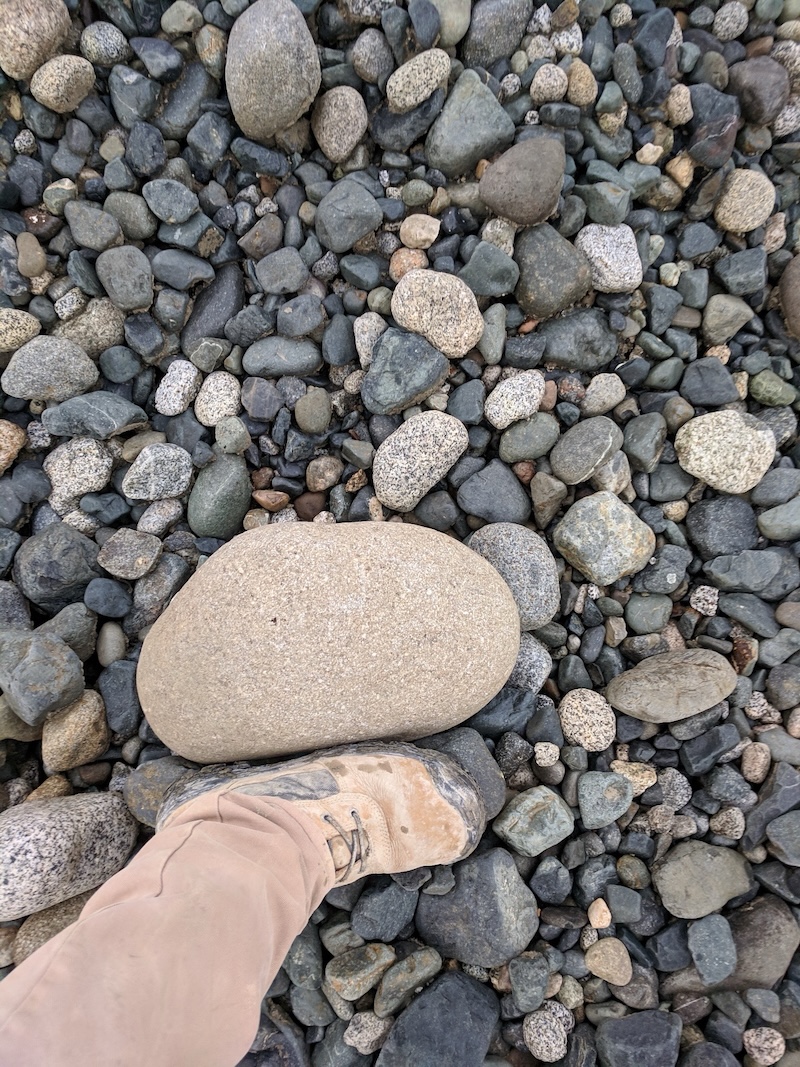
Construction equipment should never travel directly on a geomembrane or over an inadequate thickness of protective material. Traffic routes, minimum cover thickness and unloading procedures should be defined before placement begins.
The cover material should generally be pushed progressively ahead of the equipment to maintain a protective layer between the tires or tracks and the geosynthetics. Sharp turns, sudden braking and rapid changes of direction should be avoided because these movements can displace the cover material and transmit shear forces to the liner system.
Special attention is required near slopes, transitions, penetrations, sumps and other details where multiple geosynthetic layers overlap.
The Importance of Quality Assurance During Cover Placement
Construction monitoring should continue after the geomembrane has been accepted. A liner that was compliant at the end of installation may be damaged only minutes later during placement of the protective or drainage layer.
The quality-assurance representative should verify:
- geosynthetic condition before covering;
- compliance of protective materials;
- thickness of the placed layer;
- unloading and spreading procedures;
- equipment traffic;
- displacement or wrinkling of geosynthetics;
- areas where the protective layer becomes thinner;
- visible damage during construction;
- repair of defects before cover placement continues.
Monitoring makes it possible to intervene while the damaged area remains accessible. Without this oversight, a defect may be buried and become expensive to locate and repair.
A Twelve-Metre Leak Despite the Precautions
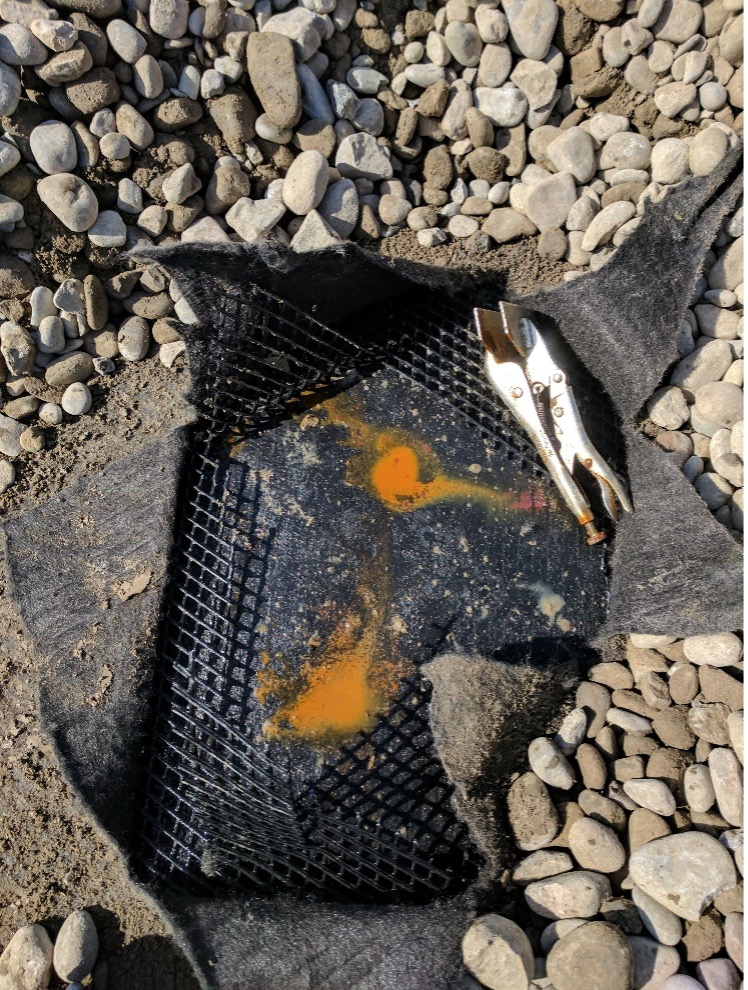
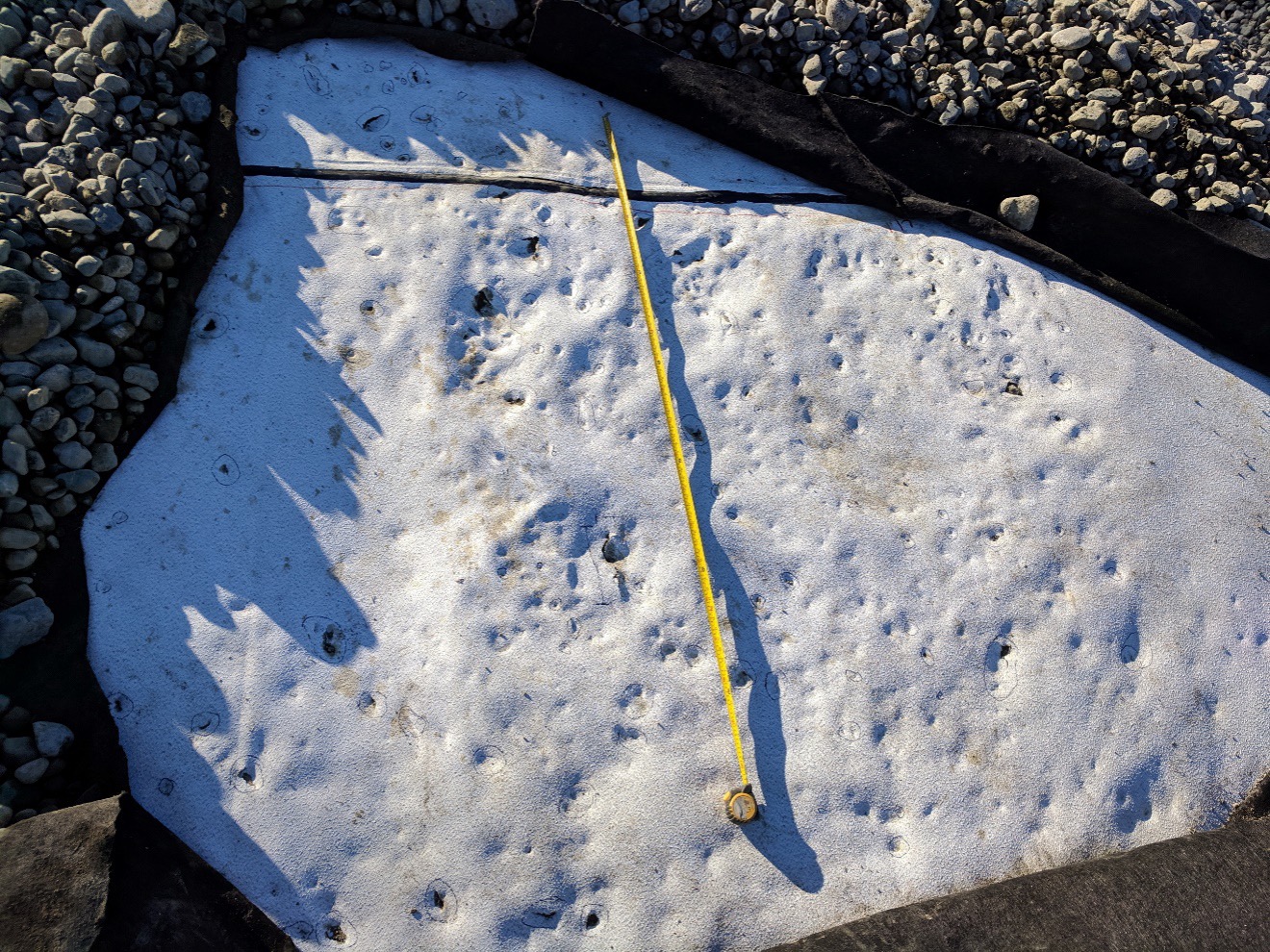
On a project involving a robust design, continuous construction monitoring and an experienced contractor, an approximately twelve-metre-long leak was nevertheless located using the dipole method.
This case demonstrates that a series of unfavourable events can result in major damage even when preventive measures are applied. It also confirms that visual inspection and quality assurance may not identify every defect after the geomembrane is covered.
Dipole leak detection provides an essential final verification by locating defects in a geomembrane covered with electrically conductive material.
Risks Associated With Limited Containment Experience
When design or construction is entrusted to participants with limited experience in containment systems, seemingly minor decisions can compromise the entire facility.
Common errors may include:
- using excessively coarse drainage material;
- installing an insufficient protective layer;
- selecting an inadequate protective geotextile;
- using improper unloading procedures;
- allowing equipment that is too heavy;
- excessive compaction;
- omitting inspection during cover placement;
- omitting the leak detection survey.
Depending on the size of the project and severity of the practices, these errors may result in dozens or even hundreds of geomembrane defects.
Detecting Leaks After Cover Placement
Dipole leak detection is specifically suited to geomembranes covered by electrically conductive material. The method identifies anomalies in the electrical field caused by current flowing through a defect.
Several conditions are necessary for reliable results:
- the cover material must contain sufficient moisture;
- the survey area must be electrically isolated;
- the geomembrane must be compatible with the method;
- the material beneath the geomembrane must allow electrical current to flow;
- openings, access roads and penetrations must be controlled;
- the area must be surveyed using a systematic grid.
Performing the survey before additional layers are installed allows defects to be repaired while excavation remains limited.
Shared Responsibility at Every Stage
A successful containment project requires continuous attention from every party involved, including designers, engineers, contractors, installers, quality-assurance representatives and leak detection specialists.
Each participant must understand that the final performance of the system depends on a sequence of decisions and inspections. A well-designed and correctly installed geomembrane may still be damaged during cover placement.
Continuous monitoring and leak detection after placement of the first homogeneous cover layer help confirm that the containment system meets its intended objective before construction continues.
