


Unmonitored Project: Debris-Contaminated Subgrade Beneath the Geosynthetics
Even when a containment system is designed in detail, the construction phase always involves unexpected conditions and field adjustments. Plans and specifications may be comprehensive, but the actual performance of the system also depends on the quality of construction.
Choosing to complete the work without independent construction inspection may provide immediate cost savings. In some cases, the project may even appear to proceed without any problems. However, the absence of inspection increases the risk that improper practices, unsuitable materials or hazardous conditions for the geosynthetics will go unnoticed.
The consequences may become apparent during construction, during leak detection testing or only after the facility is placed into service. In severe cases, these deficiencies can compromise the integrity of the geomembrane and the long-term performance of the containment system.
The Essential Role of Construction Inspection
Geosynthetic construction inspection involves much more than having someone on site taking photographs and preparing reports. Its primary purpose is to prevent defects before they are covered and become difficult to correct.
Effective inspection helps verify:
- subgrade preparation and compliance;
- the absence of debris and sharp objects;
- the gradation and shape of the soil or aggregate;
- geomembrane deployment conditions;
- seam quality;
- vehicle and equipment traffic;
- placement of protective and drainage layers;
- repair of damage before covering;
- compliance with the project drawings and specifications.
This oversight is especially important because a problem that remains visible for only a few minutes may subsequently be concealed beneath several layers of material.
Properly Preparing the Geosynthetic Subgrade
The subgrade beneath the geosynthetics must be uniform, stable and free of debris that could damage the containment barrier. Construction waste, metal fragments, roots, branches, angular stones and discarded objects must be removed before the geomembrane is deployed.
Debris can create a hard point or a localized concentration of stress. Even if the geomembrane shows no immediate damage after installation, a puncture may develop when a load is applied.
The risk increases during:
- construction equipment traffic;
- placement of protective sand;
- installation of the drainage layer;
- material compaction;
- backfilling;
- commissioning of the facility;
- application of hydraulic or mechanical loads.
Pressure on the geomembrane can force a sharp or angular object into the liner and cause a puncture.
The Effect of Stones and Aggregate Materials
Waste materials are not the only objects capable of damaging a geomembrane. Crushed stone with an unsuitable particle size or excessively sharp edges can also increase the risk of puncture.
Subgrade materials must meet the project requirements for gradation, compaction and particle angularity. The surface should also be inspected immediately before the geosynthetics are deployed, since equipment traffic and other construction activities can alter a previously accepted subgrade.
A protective layer may reduce certain risks, but it should never be used to conceal a contaminated or improperly prepared surface.
Damage Identified During Geomembrane Leak Detection
As a firm specializing in geomembrane leak detection, we directly observe the damage caused by inadequate subgrade preparation. These problems commonly appear as punctures, tears or localized defects near buried objects.
A leak detection survey can identify defects that are present at the time of testing. However, some damage may develop later when additional loads are applied to the system.
Leak detection is therefore an essential quality-control measure, but it does not replace construction inspection. The two activities are complementary: inspection prevents deficiencies, while leak detection locates damage that has reached the geomembrane despite those preventive measures.
An Extreme Case of Subgrade Contamination
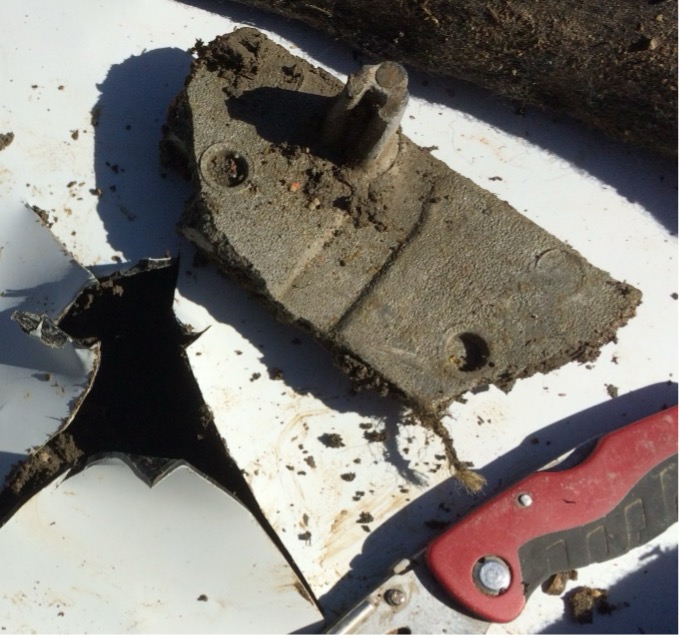
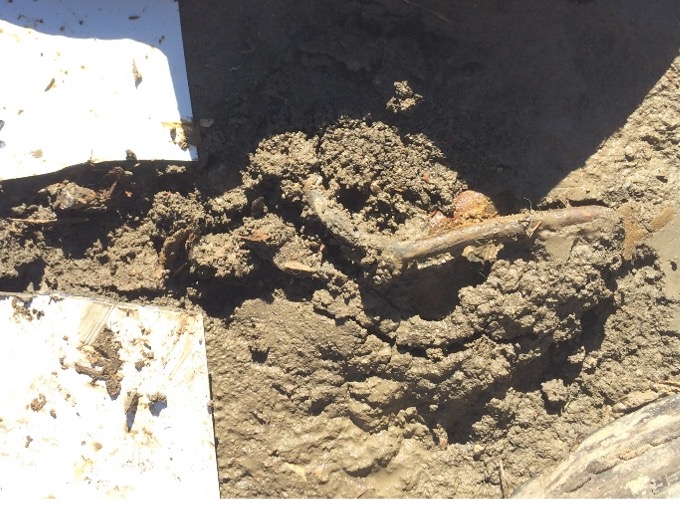
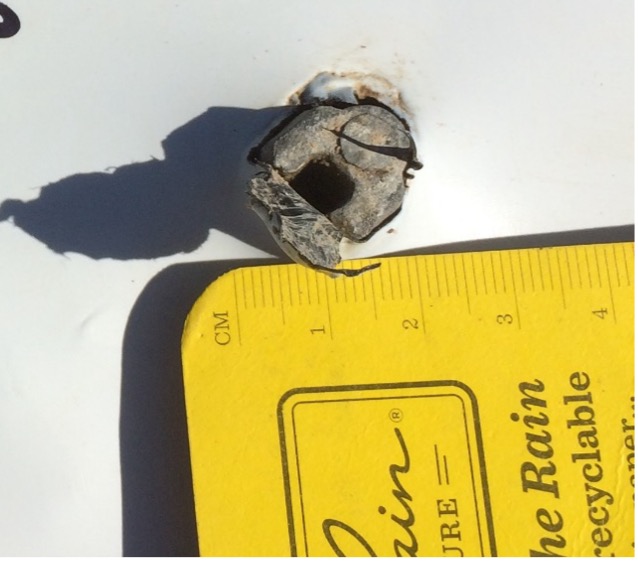
The photographs show a project completed without adequate independent construction inspection. To move construction materials, the general contractor used a shortcut that crossed an active waste cell.
This traffic contaminated the subgrade with waste from various sources. Metal components and other foreign objects were found in the material, including an entire bicycle.
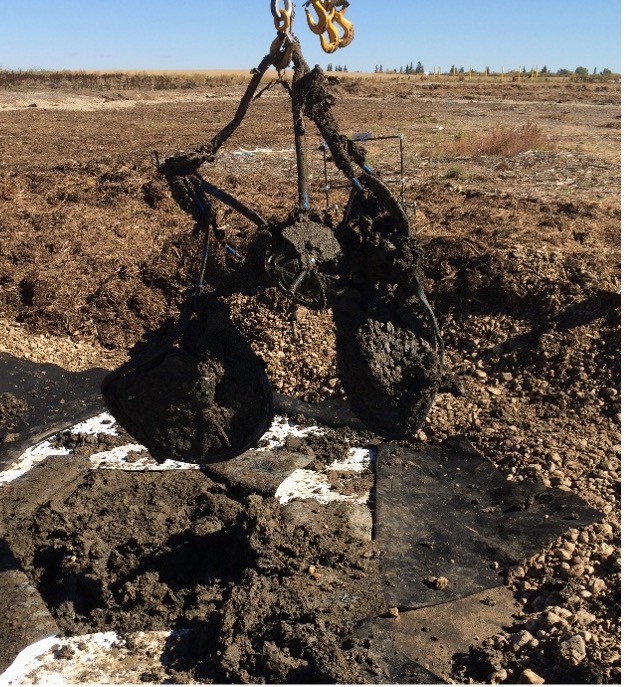
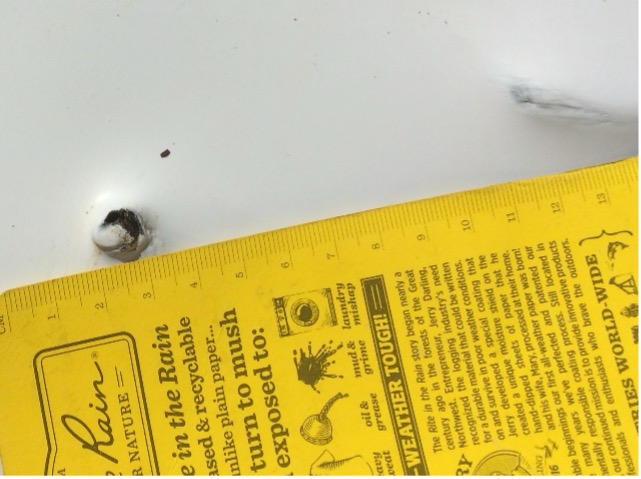
These objects created concentrated pressure points and significant puncture risks for the geomembrane. The defects shown in the photographs illustrate the direct consequences of placing a liner over a subgrade contaminated with objects that should never be present beneath a geosynthetic system.
Preventing Damage Before the Geomembrane Is Covered
A noncompliant subgrade should be corrected before geomembrane installation begins. Preventive measures include:
- completing a detailed visual inspection of the surface;
- removing all waste and foreign objects;
- confirming the gradation of the subgrade material;
- removing oversized or angular stones;
- repairing unstable or contaminated areas;
- approving the subgrade before geomembrane deployment;
- controlling construction vehicle travel routes;
- inspecting the surface again before covering;
- performing a geomembrane leak detection survey in accordance with the project requirements.
The cost of effective inspection is generally small compared with the expense of locating a leak, excavating cover materials and repairing a geomembrane after construction.
